Mum Claus: A Designer's Review for Holiday Embroidery
As someone who spends hours staring at stitch maps and testing machine embroidery design files on everything from thick fleece to delicate linen, I approach new assets with a critical eye. When I first loaded the Mum Claus file into my software, I wasn't just looking for a cute holiday graphic; I was evaluating its potential as a revenue generator for my craft business and a heirloom-quality element for client gifts. In the world of Crafts, especially during the high-pressure holiday season, a design needs to do more than just look good on a screen. It needs to stitch out cleanly, hold up to washing, and resonate emotionally with the end user.
First Impressions and Visual Personality
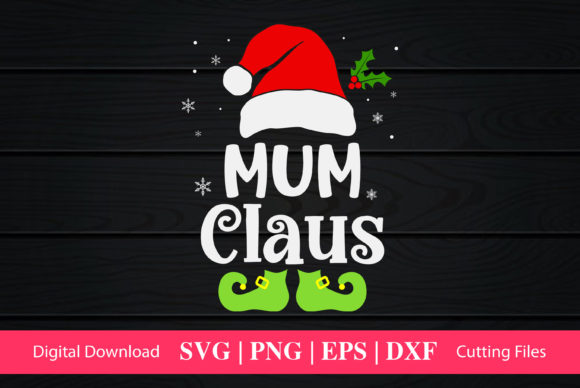
The initial visual impact of Mum Claus is warm and inviting. Unlike some generic holiday clipart that feels mass-produced, this design carries a specific personality that suggests comfort and family tradition. The layout appears balanced, with a clear focal point that draws the eye immediately. For an Etsy seller or boutique owner, this is crucial. Your product has about three seconds to catch a scroller's attention on a mobile device. The shape and theme of Mum Claus lean heavily into the "cozy holiday" aesthetic, making it an ideal candidate for holiday embroidery projects that target parents, grandparents, and anyone celebrating the season with a matriarchal twist.
From a technical standpoint, the transition between potential satin stitch borders and fill stitch areas looks promising. Good digitizing ensures that these transitions don't create unnecessary jumps or bulky build-up, which can ruin the drape of a garment. While I cannot confirm the exact stitch count without running the file, the visual density suggests a moderate coverage that should work well on medium-weight fabrics without becoming too stiff.
Real-World Application: The Custom Sweatshirt Scenario
To truly test the viability of Mum Claus, I imagined a specific real-life scenario: a custom order for a family reunion Christmas party. The client wanted matching sweatshirt embroidery for the mothers of the family. This is a common request in December, and it requires a design that scales well and looks professional on bulky fabric.
If I were stitching Mum Claus onto a heavy cotton-blend sweatshirt, the design's clarity would be the make-or-break factor. Small details often get lost in the texture of fleece or French terry. However, the bold lines apparent in the preview suggest that Mum Claus maintains its integrity even on textured surfaces. For a handmade product like this, the perceived value is tied directly to the crispness of the stitches. If the design looks muddy, the customer assumes the entire garment is low quality. If it pops, they see a premium personalized gift.
Beyond apparel, this design translates beautifully to home goods. Imagine Mum Claus centered on a natural linen tote bag design or stitched onto a waffle-weave kitchen towel. These are high-margin items for small shop owners. The thematic relevance makes it a perfect addition to holiday gift bundles, increasing the average order value for online stores.
Navigating Fabric Challenges and Hoop Constraints
Every designer knows that a file can look perfect in the simulation but fail on the machine if the material isn't right. When working with Mum Claus, careful consideration must be given to the substrate. For baby embroidery projects, such as a onesie or a soft blanket, you must ensure the stitch density isn't too high. Dense stitching can make fabric scratchy and uncomfortable against sensitive skin. If the design feels stiff during your test run, consider adjusting the pull compensation or using a softer backing.
Curved surfaces present another hurdle. If you plan to use this for custom apparel like caps or visors, verify that the design fits within your cap frame's hoop size. Designs with wide horizontal spreads can sometimes distort when stitched on the curved front panel of a hat. Similarly, dark fabrics require strategic planning. If Mum Claus relies on light thread colors, you may need to run an underlay stitch or use a white stabilizer top to prevent the garment color from peeking through and dulling the vibrancy of the thread colors.
It is also vital to consider the longevity of the finished product. Items like aprons and tea towels undergo frequent washing and high heat. A design with poor anchoring or excessive satin columns might fray over time. Before selling Mum Claus as part of a commercial line, I would rigorously test it through multiple wash cycles to ensure the embroidered patch effect remains intact.
Enhancing Brand Value and Customer Trust
In the competitive landscape of digital product sellers and creative entrepreneurs, consistency is key. Using a cohesive set of designs helps build brand recognition. Mum Claus fits well into a broader collection of family-themed holiday assets. When customers see a consistent style across your printable mockup galleries and physical inventory, it builds trust. They know exactly what kind of quality and aesthetic to expect.
Furthermore, the emotional connection of this design drives engagement. People love buying things that celebrate their specific role in the family. A "Mum Claus" shirt isn't just clothing; it's a statement of identity. For commercial embroidery shops, offering personalization options alongside this design—such as adding a name or year in a complementary font—can significantly boost sales. However, be cautious with adding tiny lettering near detailed areas of the design, as this can complicate the stitching process and increase the risk of errors.
Practical Notes for the Professional Stitcher
Before committing to a production run, there are several non-negotiable steps I recommend taking with any new digital embroidery file, including Mum Claus:
- Test on Scrap Fabric: Always stitch a sample on the exact same material and weight you intend to sell. What works on quilting cotton might fail on performance polyester.
- Check Stabilizer Compatibility: Ensure you are using the correct type of stabilizer (cut-away vs. tear-away) based on the fabric stretch and the design's density.
- Review Thread Contrast: View the design in black and white or grayscale on your screen. This helps identify areas where contrast might be lost, ensuring the design reads clearly even from a distance.
- Verify Licensing Terms: Since this falls under the Crafts category, always double-check the license agreement. Confirm whether the file allows for unlimited physical sales, if there are restrictions on digital redistribution, and if attribution is required.
- Inspect Small Details: Zoom in on the preview to check for tiny isolated stitches or sharp corners that might cause thread breaks.
Ultimately, Mum Claus represents more than just a pattern; it is a tool for creation. Whether you are a hobbyist making gifts for loved ones or a seasoned small shop product creator expanding your holiday catalog, the success of this design depends on how well you integrate it into your workflow. By respecting the technical requirements of the file and understanding the emotional resonance of the image, you can create design assets that not only look beautiful but also stand the test of time and use.
Remember, the best embroidery project is one where the technical execution matches the creative vision. Take the time to prep your machine, choose your materials wisely, and let Mum Claus bring a touch of festive charm to your next creation.