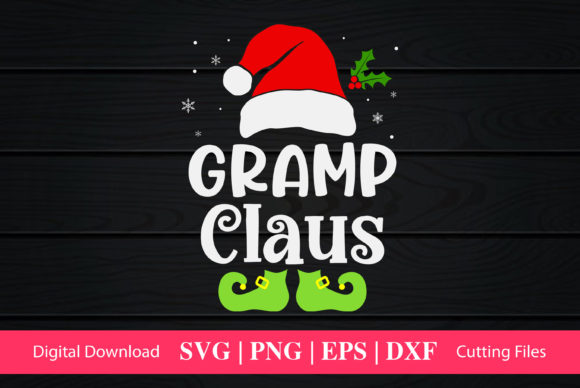
Gramp Claus: A Festive Crafts Asset for Branding
As a brand designer who has spent the last decade helping local businesses find their visual voice, I approach every new graphic design asset with a critical eye. It is not enough for an illustration to be cute; it must serve a strategic purpose within a broader brand identity. When I first opened the files for Gramp Claus, my immediate reaction was one of warmth and nostalgia. This is not a sleek, modern minimalist icon, nor is it a corporate stock vector. Instead, it exudes a handmade, rustic charm that feels deeply connected to tradition and community. For the right local business, this asset is not just a decoration; it is a storytelling device that can instantly humanize a brand.
The mood created by Gramp Claus is undeniably friendly and festive, yet it retains a level of sophistication suitable for boutique markets. It suggests a brand personality that values heritage, quality, and personal touch. While the product falls under the category of Crafts, its application extends far beyond simple scrapbooking. In my evaluation for a hypothetical holiday campaign for a small-batch candle maker or an artisanal bakery, I see immense potential. The illustration feels organic and slightly textured, which aligns perfectly with the current consumer demand for authenticity in small business branding.
Strategic Applications for Local Business Packaging
In the realm of packaging design, context is everything. Gramp Claus shines brightest when used as a hero graphic on seasonal packaging. Imagine a kraft paper box for a gourmet cookie company; placing this illustration centrally creates an immediate emotional connection before the customer even reads the ingredient list. It works exceptionally well on hang tags for a children's clothing boutique, adding a whimsical touch that parents appreciate. For a handmade business selling soaps or lotions, this asset can be the focal point of a product label, distinguishing the item from mass-produced competitors on the shelf.
Beyond the physical product, the utility of this design extends to promotional materials. I envision using Gramp Claus on thank-you cards included in online orders, reinforcing brand loyalty. It is equally effective on flyers and posters for local holiday markets, drawing the eye of passersby with its inviting character. For social media managers, this illustration serves as a perfect anchor for Instagram stories or Facebook posts announcing holiday hours or special gift sets. When integrated into social media graphics, it maintains visual consistency across digital touchpoints, ensuring the brand feels cohesive whether the customer is holding the product or scrolling through their feed.
Elevating Brand Presentation and Customer Trust
The primary goal of any commercial design project is to build trust. A polished, professional appearance signals to the customer that the business cares about quality. Incorporating a well-chosen asset like Gramp Claus contributes to a stronger first impression. It helps establish a clearer visual hierarchy on packaging, guiding the customer's eye to the most important information while providing decorative balance. When customers see consistent, high-quality marketing visuals, their confidence in the product increases. This is particularly true for food businesses and skincare brands, where the perceived safety and quality of the product are paramount.
Furthermore, this asset supports better shelf appeal. In a crowded retail environment, products that tell a story stand out. Gramp Claus adds a layer of narrative to the packaging, suggesting that the product inside is crafted with care and holiday spirit. This leads to a stronger emotional connection, which is often the deciding factor in impulse purchases during the holiday season. By using such specific, character-driven illustrations, a brand moves away from generic aesthetics and toward a more memorable professional branding strategy.
Ideal Use Cases and Design Constraints
While Gramp Claus is versatile, it is not a one-size-fits-all solution. It works best as a decorative brand element on product mockups, seasonal packaging, and boutique visuals where the goal is to evoke warmth. It is ideal for printable design projects like gift tags and limited-edition labels. However, caution is required when applying it to formal corporate branding or luxury minimalist brands where simplicity is the core value. In these contexts, a detailed character illustration might feel out of place or too playful.
Designers must also be careful not to overcrowd the layout. If a product label already contains extensive legal information, ingredient lists, or barcodes, adding a large illustration like Gramp Claus can create visual clutter. It should never compete with critical text or obscure mandatory labeling requirements. Additionally, attention must be paid to background contrast. On low-contrast backgrounds, the details of the illustration may get lost, reducing its impact. It is generally not suitable for very small labels where fine lines might blur during the printing process.
Practical Notes for the Professional Designer
Before integrating Gramp Claus into a client project, there are several technical steps I recommend. First, always test the asset on real product mockup templates to see how it interacts with different textures and lighting conditions. Check its performance in black and white, as many local businesses still use mono-color printing for cost efficiency on receipts or basic tags. Preview the design on small labels to ensure legibility remains intact at reduced sizes.
Typography pairing is crucial. I suggest testing Gramp Claus beside a variety of font styles. A sturdy serif font can enhance its traditional feel, while a clean sans serif can modernize the look. Script fonts can amplify the handmade aesthetic, but one must ensure the combination does not become too busy. If the asset is available as an SVG design or vector file, inspect the editability to ensure colors can be adjusted to match specific brand palettes. For raster files, review the PNG design transparency to avoid unwanted white boxes around the illustration.
Finally, and perhaps most importantly, confirm the commercial license. Whether you are purchasing this from a creative marketplace or downloading it as part of a bundle, understanding the rights is essential for commercial design work. Ensure the license covers physical product sales, unlimited print runs, and client work if you are an agency. By treating Gramp Claus not just as a piece of clipart but as a strategic component of a larger brand identity, designers can create compelling, trustworthy, and visually stunning campaigns for local businesses this holiday season.