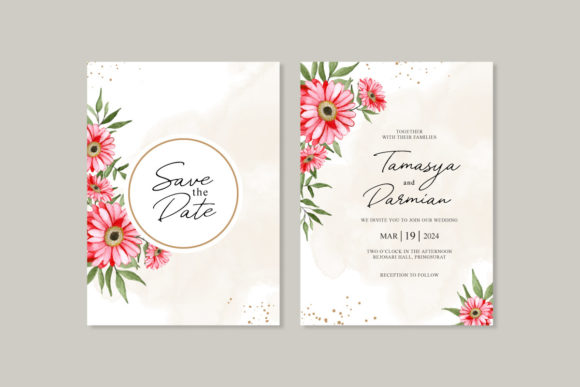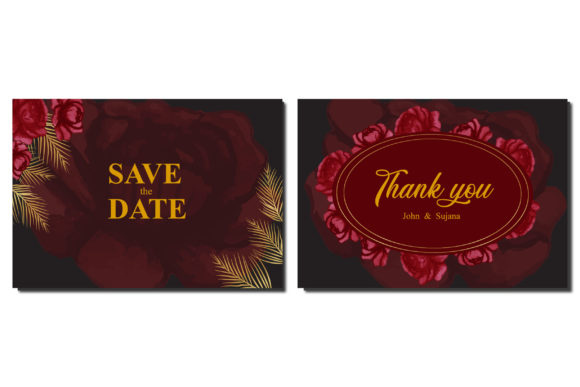
Watercolor Invitation Cards: Premium Print Templates
As a brand designer who has spent years curating visual identities for lifestyle brands and creative entrepreneurs, I approach every new graphic design asset with a critical eye. It is not enough for a file to look pretty in isolation; it must perform under the pressure of a real marketing campaign. Recently, I evaluated the Watercolor Invitation Cards collection to determine its viability for a client launching a seasonal product line. This review breaks down how these Print Templates function within a broader strategy for small business branding and content marketing.
The First Impression: Softness Meets Strategic Elegance
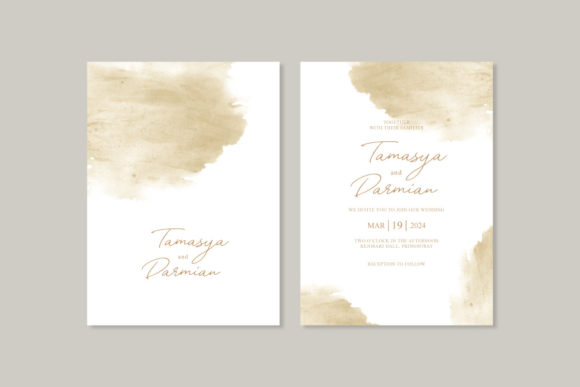
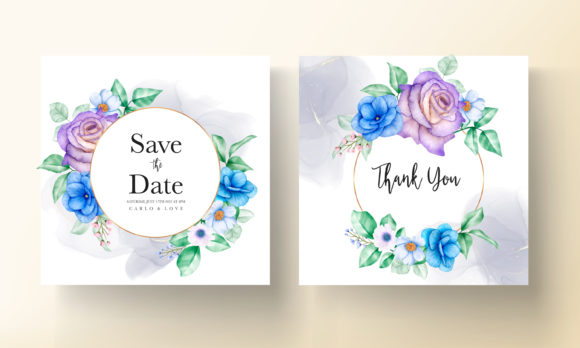
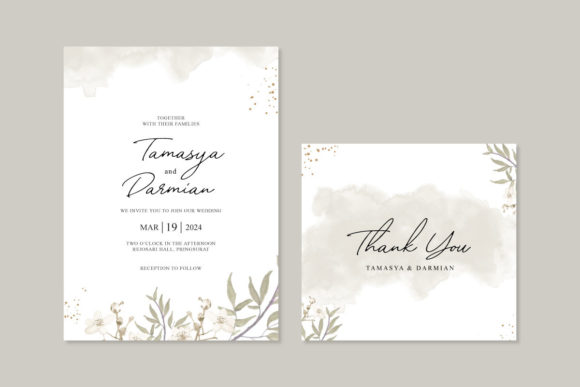
Upon opening the files, the immediate mood established by the Watercolor Invitation Cards is one of approachable sophistication. In the world of modern design, where flat vectors often dominate, there is a distinct psychological advantage to organic textures. The watercolor aesthetic signals handmade quality, care, and a human touch. For a brand owner, this translates directly into audience trust. When a potential customer sees these visuals, they subconsciously perceive the brand as less corporate and more authentic.
This emotional tone makes the asset particularly suitable for lifestyle content, wedding-related services, boutique retail, and coaching businesses that rely on personal connection. However, do not mistake "soft" for "weak." The color saturation and brushstroke definition provide enough weight to serve as a anchor in a busy social media feed, ensuring your marketing visuals stand out without appearing messy or unprofessional.
Integrating into a Real-World Product Launch
To test the practical application, I imagined a scenario where a small business is launching a new line of artisanal soaps. The goal was to create a cohesive design bundle that spans from digital ads to physical packaging. The Watercolor Invitation Cards proved incredibly versatile here. We utilized the underlying structures as social media graphics for Instagram teasers, allowing the product photography to sit comfortably within the white space provided by the template.
Beyond social media, these templates excel in packaging design and product label creation. The organic edges of the watercolor elements soften the rigid lines of standard packaging, creating a premium unboxing experience. For digital product sellers, these assets can be repurposed as cover images for eBooks or lead magnets, instantly elevating the perceived value of the offer. Whether you are designing Pinterest pins to drive traffic or creating email banners to nurture leads, the consistent visual language helps reinforce brand identity across all touchpoints.
Where This Asset Shines Brightest
The true power of the Watercolor Invitation Cards lies in its ability to create a strong visual hierarchy. Because the watercolor elements naturally draw the eye, they act as excellent frames for key messages. I recommend using them for:
- Hero Graphics: Use as website headers to set an immediate tonal expectation.
- Campaign Headers: Perfect for Facebook ads where stopping the scroll is crucial.
- Branded Templates: Ideal for Canva template kits sold to other creators.
- Editorial Layouts: Great for blog post featured images that need an artistic flair.
- Event Flyers: Naturally suited for workshops, webinars, or pop-up shops.
In each of these contexts, the asset supports the goal of creating memorable campaign visuals. It adds a layer of depth that pure typography often lacks, fostering a stronger emotional connection with the viewer.
Strategic Limitations and Usage Warnings
While versatile, no single creative design element is universal. There are specific scenarios where the Watercolor Invitation Cards should be used with caution. If your brand identity is strictly minimalist or industrial, the organic texture might clash with your core values. Furthermore, avoid using these templates for dense information layouts. Watercolor backgrounds can reduce contrast if text is placed directly over the pigment-heavy areas.
For small mobile graphics, ensure that the intricate details of the watercolor do not become muddy when scaled down. In text-heavy ads, the decorative nature of the asset might compete with the main message, distracting the user from the call to action. Finally, for formal corporate branding in sectors like finance or law, this aesthetic may appear too casual unless heavily modified.
Designer Notes for Professional Implementation
To get the most out of this commercial design resource, follow these practical steps before finalizing your project. First, always test it with your brand color palette. While the default colors are beautiful, adjusting the hue to match your specific hex codes ensures consistency. Second, check black and white usage; verify that the design holds up if printed in monochrome for cost-saving measures.
It is vital to place it inside real campaign mockups rather than judging it on a blank canvas. Preview the design on mobile screens to guarantee readability. When pairing fonts, these watercolor elements pair exceptionally well with script fonts and handwritten fonts to enhance the handmade feel, but they also provide a lovely contrast to clean sans serif fonts for a modern twist. Avoid overly decorative display fonts that might make the overall composition feel cluttered.
Lastly, always review spacing and balance. Ensure there is enough breathing room around the watercolor elements so the design feels airy, not cramped. Most importantly, confirm commercial licensing before using these assets in paid campaigns, client work, or products for resale. Understanding the rights associated with the SVG design or PNG design files is non-negotiable for professional professional branding.
Final Verdict on Visual Impact
The Watercolor Invitation Cards represent a high-value addition to any creative marketplace toolkit. They bridge the gap between artistic expression and commercial utility. By offering a ready-made foundation for editorial design, web design, and digital ads, they save hours of production time while delivering a polished, high-end result. For content creators and small business owners looking to upgrade their visual content creation workflow, this asset provides the perfect balance of flexibility and style. When used with intention, it transforms standard promotional materials into pieces of art that audiences want to engage with.