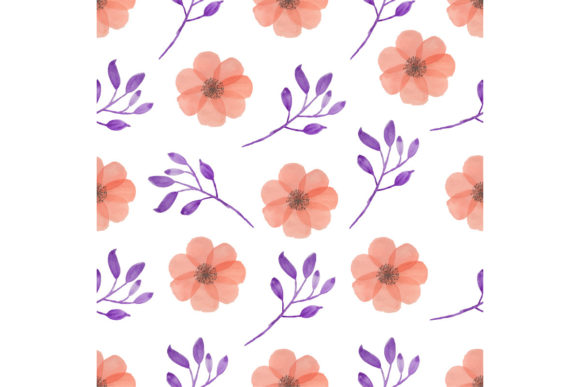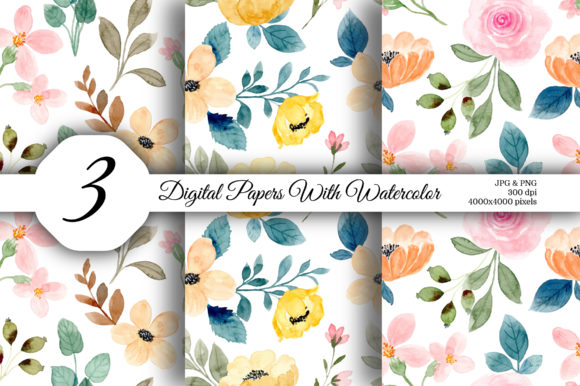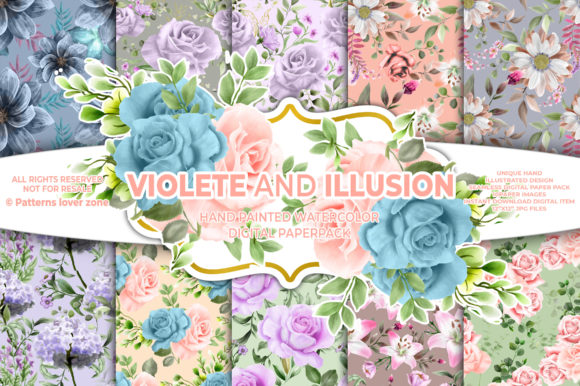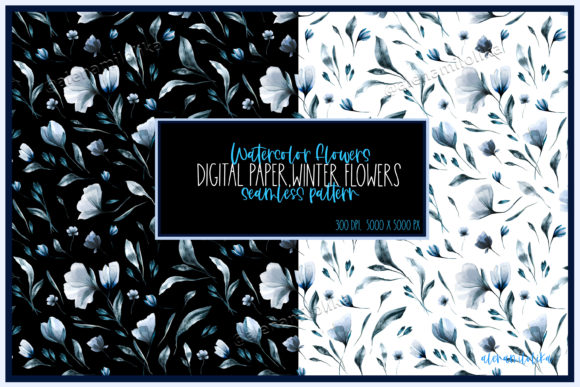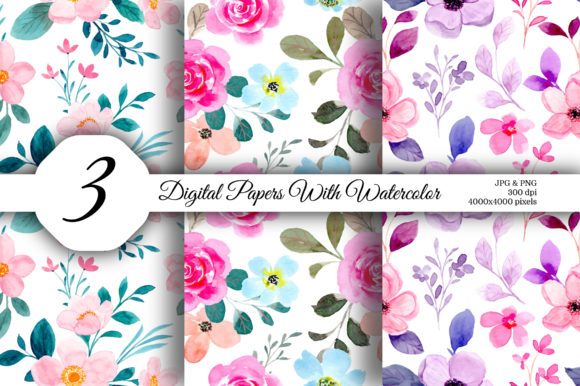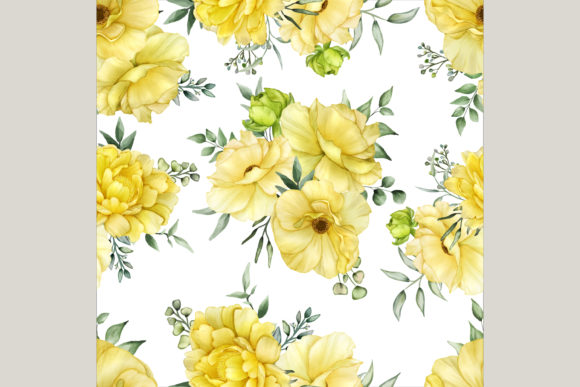
Watercolor Flower Seamless Pattern Desig for Patterns
As a brand designer who has spent years helping local businesses find their visual voice, I approach every new graphic design asset with a critical eye. It is not just about whether an image looks pretty on a screen; it is about how it translates to physical packaging, digital marketing, and the overall brand identity of a small enterprise. Recently, I evaluated the Watercolor Flower Seamless Pattern Desig for a potential project involving a boutique handmade soap company, and the results offered valuable insights for anyone looking to elevate their small business branding.
First Impressions and Brand Mood
Upon opening the file, the immediate impression is one of softness and organic elegance. Unlike rigid geometric Patterns that often feel industrial or overly modern, this watercolor collection exudes a handmade charm. The brushstrokes are visible, the colors bleed slightly into one another, and the overall mood is inviting, feminine, and rustic. This specific aesthetic suggests a brand personality that values craftsmanship, natural ingredients, and a personal touch.
For a local business like a bakery, a florist, or a skincare line, this vibe is invaluable. It signals to the customer that the products inside are crafted with care, not mass-produced in a factory. The design feels premium yet accessible, striking a balance that is often difficult to achieve. It avoids looking childish while maintaining a playful lightness that appeals to a wide demographic, particularly those who appreciate artisanal goods.
Practical Applications for Local Commerce
The true test of any design asset is its versatility in real-world scenarios. The Watercolor Flower Seamless Pattern Desig shines when applied to tangible touchpoints. For the soap brand I imagined, this pattern would be perfect for packaging design. Imagine a kraft paper box where the floral motif wraps around the sides, acting as a decorative belt that highlights the product name in the center. It adds texture and visual interest without overwhelming the primary information.
Beyond the box, this asset is ideal for creating cohesive product label systems. Whether printed on vinyl stickers for jars or directly onto glass bottles, the seamless nature of the design allows for flexible cropping. It works beautifully on hang tags attached to clothing in a boutique store or as a background for thank-you cards included in online orders. For food businesses, it can serve as a liner for cupcake boxes or a decorative border on menu graphics, enhancing the dining experience before the first bite is even taken.
In the digital realm, the utility remains high. Social media managers can use these Patterns to create consistent story highlights, post backgrounds, or promotional ad visuals. When used as a website banner, it establishes an immediate emotional connection, setting the tone for the user's journey through the site. It transforms a generic digital product presentation into a curated brand experience.
Elevating Business Presentation and Trust
Why does a specific pattern matter so much? Because in a crowded marketplace, professional branding is the difference between being noticed and being ignored. Using a high-quality asset like the Watercolor Flower Seamless Pattern Desig contributes to a stronger first impression. It creates a clear visual hierarchy where the brand feels established and trustworthy.
Consistent use of such elements across all materials—from business cards to shipping inserts—builds better product recognition. Customers begin to associate the specific floral style with the quality of the service or goods provided. This consistency fosters customer trust. When packaging looks polished and intentional, it implies that the contents are equally high-quality. It improves shelf appeal in physical retail locations, making the product pop against competitors who might be using plain or generic designs.
Strategic Placement and Cautionary Notes
While this asset is powerful, it must be used strategically. It works best as a supporting element rather than the sole focus. Ideal placements include packaging accents, hero graphics on landing pages, and seasonal campaign visuals. It is excellent for adding depth to product mockup presentations, giving clients a realistic view of how the final goods will appear.
However, caution is required. This watercolor style may not suit formal corporate branding or industries requiring a stark, luxury minimalist aesthetic. It should be used carefully on very small labels where the intricate details of the flowers might blur during printing. Avoid placing it behind ingredient-heavy layouts or legal information areas, as the varying tones can reduce readability. If the decoration competes with important text, the visual hierarchy collapses, and the message is lost. Always ensure there is sufficient contrast between the pattern and the foreground elements.
Designer Notes for Implementation
Before integrating the Watercolor Flower Seamless Pattern Desig into a client project, several practical steps are essential. First, test it on real product mockup files to see how the colors interact with different material textures like matte, gloss, or kraft. Check how the design performs in black and white, as some promotional materials may need to be printed in monochrome to save costs.
Preview the pattern on small-scale labels to ensure the floral details do not become muddy. Experiment with pairing the pattern alongside various typography styles; it often complements elegant serif fonts, clean sans serif options, or flowing script fonts that match its handwritten feel. If the asset comes in SVG design or vector formats, inspect the editability to ensure you can recolor elements to match specific brand guidelines. If it is a PNG design, verify the transparency and resolution to prevent pixelation in large format prints.
Finally, and most critically, review the licensing terms. Ensure you have a valid commercial license before using the asset for client work, commercial design projects, or physical product sales. Many creative marketplaces offer different tiers of usage, and violating these terms can lead to significant legal issues for both the designer and the handmade business owner. By treating this graphic design asset with the rigor it deserves, you can unlock its full potential to create stunning, memorable brands that resonate with local communities.